
What is contemporary dance?
A word heard everywhere and rarely defined. Here is what it really covers, where it comes from, and what sets this dance apart from the rest.
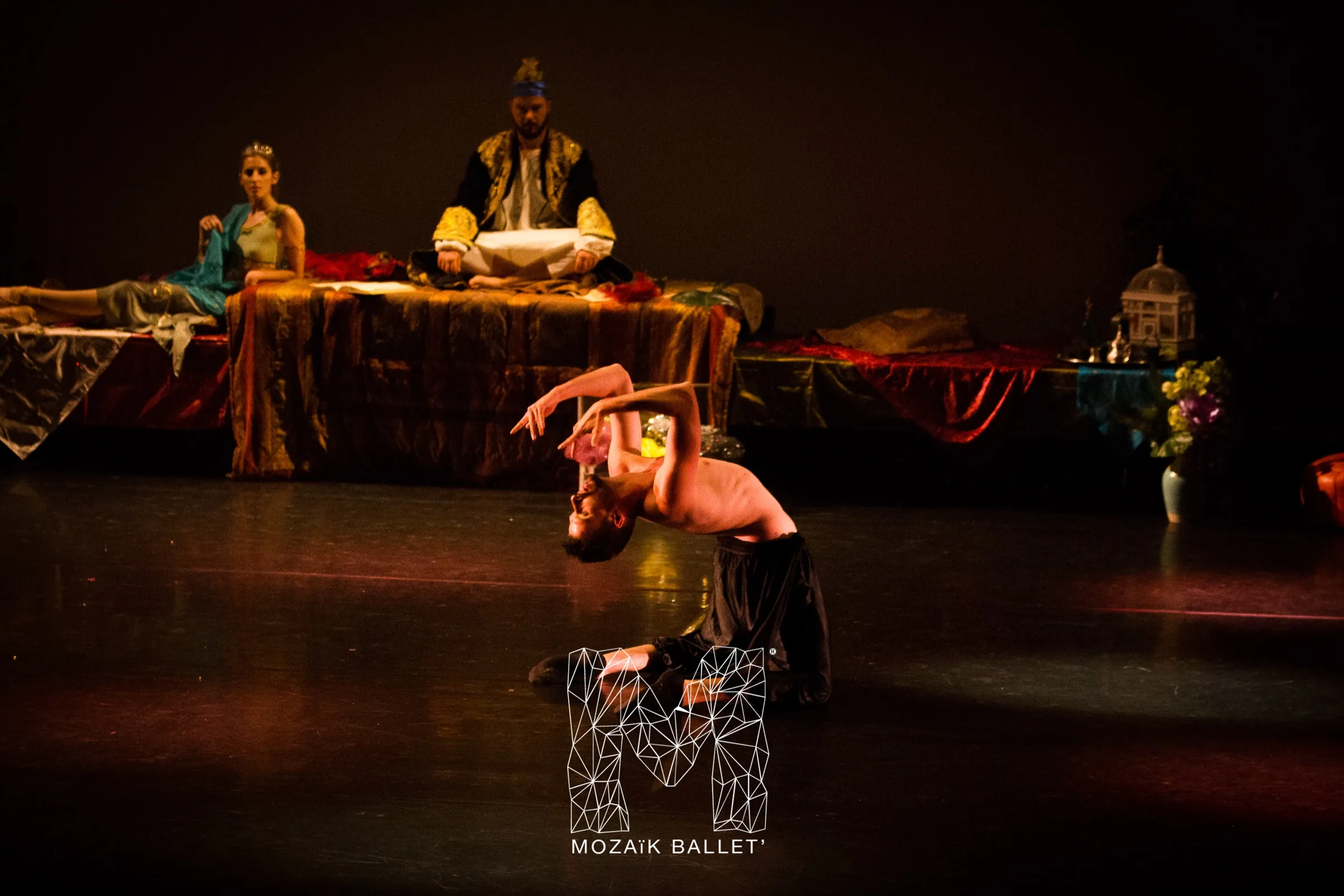
Contemporary dance is a dance born in the 20th century that broke with the fixed rules of classical ballet. It imposes no vocabulary: each choreographer invents their own movement to express an idea, an emotion, a way of seeing the world.
A dance that invents itself
Ballet rests on named figures, handed down almost unchanged for three centuries. Contemporary dance starts from the opposite idea: movement is not given in advance, it is searched for. The floor becomes a partner, the weight of the body a material, the fall a gesture like any other.
That freedom comes at a price. There is no correct position that holds once and for all. Before learning steps, the contemporary dancer learns to feel their body.
Where it comes from
It was born in the early 20th century, out of a refusal of what constrained ballet, starting with the pointe shoes and the corset. Isadora Duncan danced barefoot. Later, Martha Graham and Merce Cunningham established the idea that a body could tell something other than fairy tales.
In France, it took hold in the 1980s. It is now taught in conservatories, and hundreds of companies keep it alive, from the great stages to small local halls.
How to recognise it
You can spot it by a few things: floor work, no imposed steps, and almost always a statement. A contemporary piece is about something. A theme, an anger, a question, that the body puts on stage.
That is its strength. It can be abstract or tell a story, calm or violent. What it seeks, most of the time, is to say something with the body, not just to look pretty.
At Mozaïk Ballet'
Since 2002, the company has created its own pieces in Nantes, often around a strong idea: confinement and freedom, the place of the individual in a society going off the rails. It performs no existing repertoire. It writes its own.
To understand what it is about, the best thing is to see one. Words explain; a stage makes you feel.